
General information for carriers. This article is not legal, tax, accounting, or regulatory advice.
Detention is pay for time a shipper or receiver held the truck past the free period on the rate confirmation. If those times are not written while you are still in the lot, you will donate the wait. A story from the next truck stop loses to a facility log every time. Clerks pay from timestamps, gate stamps, and messages sent while the clock was running. Record four times before you roll: arrival, check-in, when the work started, and when you were released with paperwork in hand.
Free time is whatever that confirmation says, not whatever the last broker allowed. Two hours is common and not a rule of the industry. Some clocks start at the appointment, some at arrival, and some only after you notify dispatch or the broker. Some pages pay nothing unless you send a message before free time ends. Read the line on this load before you are in the chair. If a notice is required at a set hour, send it then, with the arrival time in the same message. Save it. That timestamp is part of the backup.
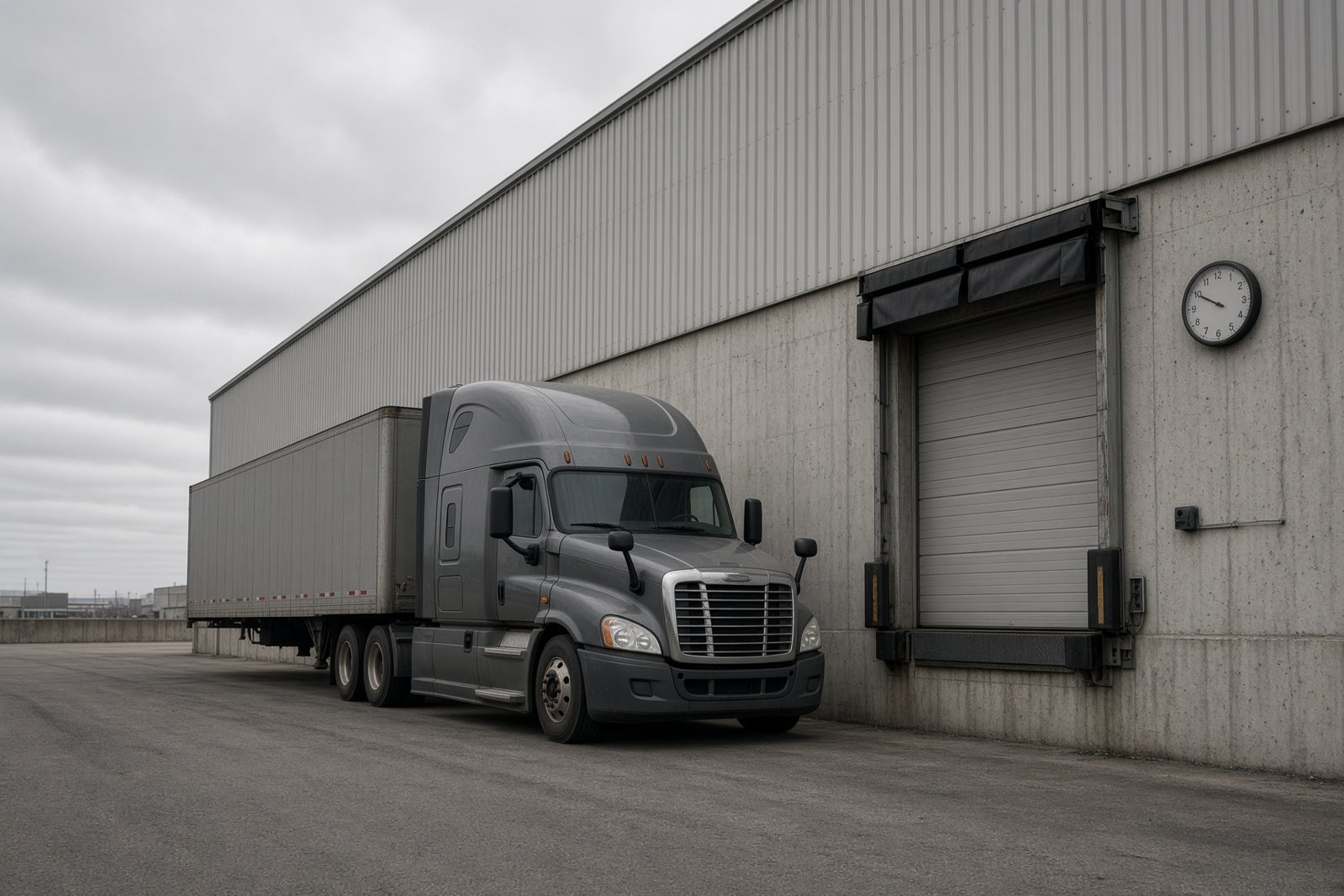
Ask the guard or the clerk to stamp arrival and departure if the facility still does that. If they refuse, write the refusal on the bill: who said no, which window, and the time. A blank margin is weaker than a short note. Photograph the signed pages in the lot, plus any lumper or gate receipt you paid while you waited. A photo of the door is optional color. It does not replace the times. Send the pictures in one message with the load number, not as a camera-roll dump the office has to decode at night.
Bill only the hours the page allows. If free time is two hours and you were on site for five, the claim is three hours, or whatever remains after the free period, at the rate printed on the confirmation. Do not bill the whole visit. Do not invent a dollar rate when the page is silent. Ask in writing, and wait for the number, before it hits an invoice. Round the way the confirmation says to round. A padded claim teaches the broker to cut the next one, including the loads where your times were exact.
Denials repeat for the same reasons. No notice before free time ended. Times that do not match the receiver log. A POD departure that is earlier than the detention sheet. A confirmation that says detention is not authorized, which means the phone call does not count. A packet that shows up two weeks late with no backup. Answer a denial by fixing the stated gap, not by resending the same file to a different inbox. If the confirmation truly bars the charge, stop billing it. Then stop booking that dock at a rate that pretends the wait is free.
The office should price the charge the day the times arrive. Check the free-time line, compute the hours, attach the photos and the notice, and put the amount on the invoice if the broker accepts accessorials on the same bill. If they want a separate bill, send it the same day with the same packet. Do not park detention in a monthly cleanup folder. Those folders become write-offs. Mark the load billed only after the linehaul and the wait are both submitted, or note the open charge in a place you will actually look tomorrow morning.
Tell the driver the rule in one sentence before the appointment, not after the argument. In and out times get written in the lot, and a notice goes out before free time ends if the page requires it. Drivers who hear that only when money is missing will treat detention as optional. Put the four times on the same close-out list as the POD. If the list is done, the claim exists. If the list is skipped, the hours were a gift to the dock.